
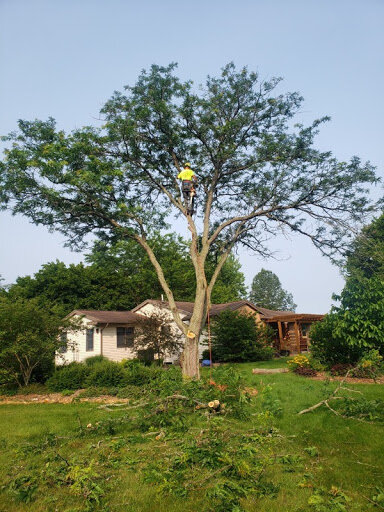
ARE YOUR TREES READY FOR SPRING?
Imagine the moment when the snow and ice start to melt away from your landscape. When the sun peeks through the dark gloomy clouds, or when you are able to walk outside and smell the budding plants.
Spring is upon us. Are you ready?
Now is the time to prepare your trees. This is to benefit strength, healthy growth, and boost tree nutrients.
Step 1:
Before saying goodbye to winter, inspect your trees for disease or any damage. Also, this is the time to prune any dead, diseased, or hazardous limbs away. We have a Certified Arborist on staff to diagnose any problems you may have. Taking care of your trees now can prevent the spread of these diseases and unwelcome pests in the spring months.
Step 2:
Taking care of the ground around your trees is very important. Removing any fallen leaves, branches, or waste will set a healthy base for healthy growth. Also applying a slow-release fertilizer defends your trees from pests and diseases.
Step 3:
When the sprouts start to show add 2 to 4 inches of mulch around your trees to improve soil moisture, control weeds and help maintain the fertilizer in the soil.
Remember tree maintenance should continue throughout the year and having a Certified Arborist come to diagnose your trees is a start.
Call us for your “FREE ESTIMATE” today 734-645-8375!
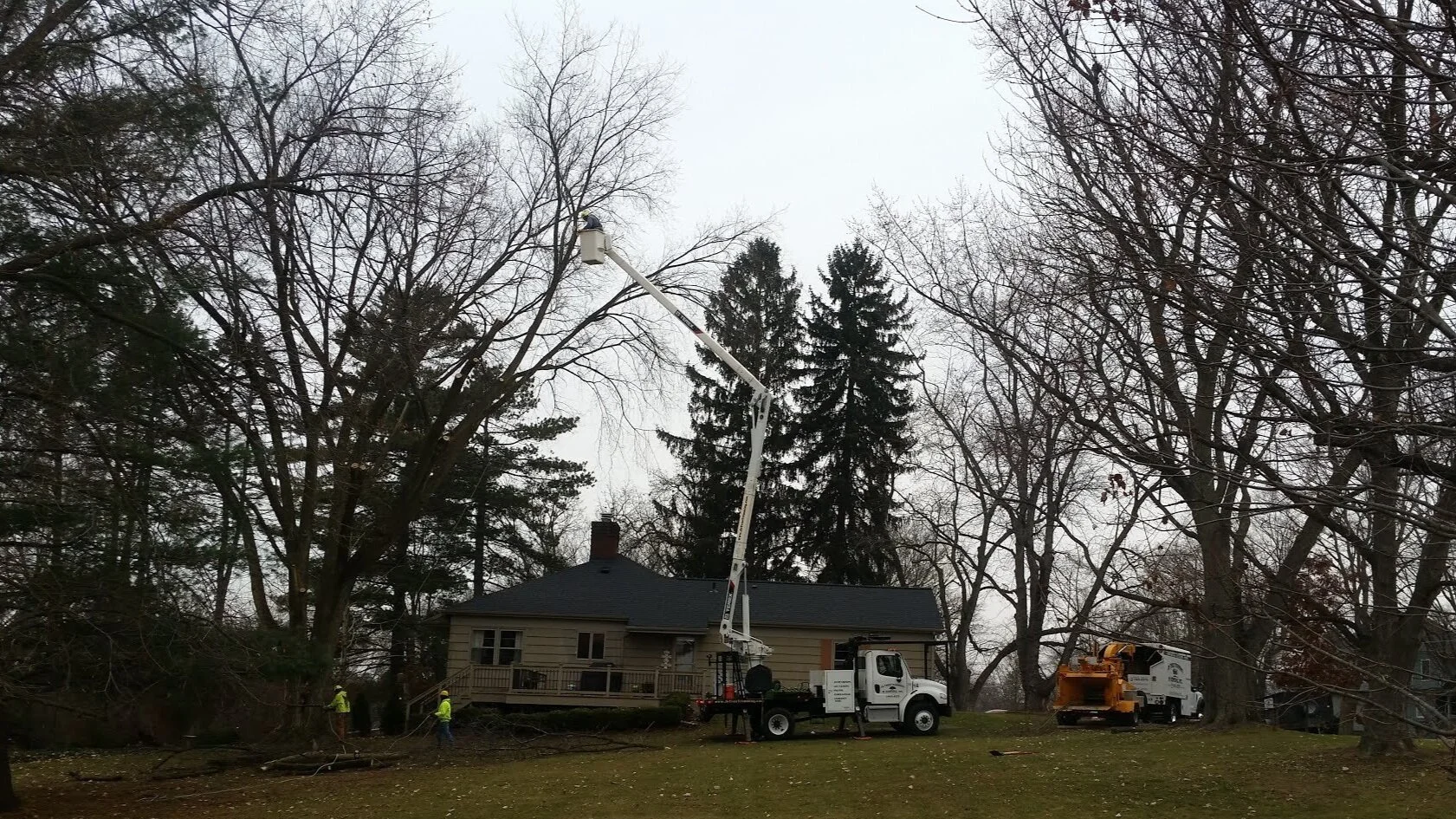
Having the right tree equipment = safety & efficiency
Having the right tree equipment in the tree service industry can make a big difference when it comes to the safety and the efficiency of a tree crew.
In tree services you hear the terms “Boom Trucks or Cherry Pickers”, “Minis or Skid Steers”, or “Tree Chippers or Wood Chippers”. All of these machines can create a more efficient and safe environment for your hired tree crew to work in, when safety procedures are followed.
If all tree services could be done from the ground, things would be far less complicated. But the truth is, pruning, trimming, or even removals demand that workers get strategic to access branches that are far off the ground.
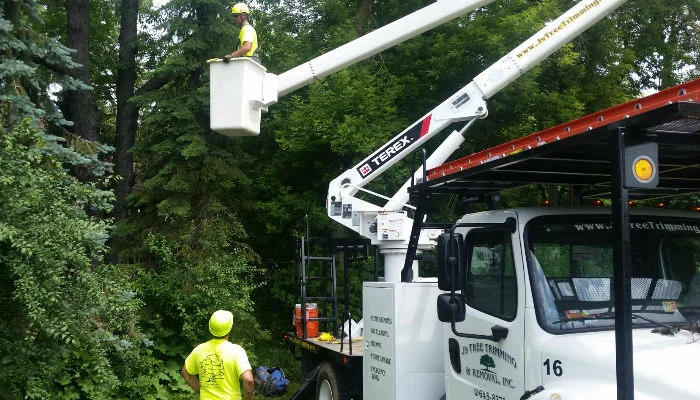
Taking down a large tree or even a large lead going over a home can benefit from having a “Boom Truck”. At J’s Tree Trimming & Removal, Inc. our “Boom Truck” can reach a height of 75’ feet and has a side span of 60-65’ feet. If a tree is taller than 75’ feet, the operator can use the bucket to get up to that height and then get out of the bucket to go the rest of the way.
Having a “Mini or Skid Steer” available can make moving brush from a backyard to the “Wood Chipper”, likely parked in driveway or street, fast and efficient.
“Tree Chippers or Wood Chippers” make the disposal of brush an easier task and also create mulch that the customer can lay in their flower or vegetable beds.
With all this said, every tree is unique and likewise every tree care problem can demand a unique solution. Having the right piece of equipment for the right job means your tree crew can work safely and efficiently.

Money Doesn't Grow On Trees
Is ‘Money Doesn't Grow On Trees’ Antiquated?
This expression means that money is not a resource that is not easily acquired. And I think we can all agree, this is still the case.

Money Doesn't Grow On Trees...But Limbs Do.
How Long Have Trees Been Around?
Is it estimated that trees have been in existence for 370 million years. The oldest tree in the United States, Methuselah, is estimated to be 4,850 years old. Although, they believe there may be another Bristlecone Pine in the same area over 5,000 years old.
But they haven’t found any with money growing on them. Instead, trees bloom with flowers and bear fruit. Trees usually reproduce using seeds but some trees, such as conifers, instead have pollen cones and seed cones.
Is ‘Money Doesn't Grow On Trees’ Antiquated?
This expression means that money is not a resource that is not easily acquired. And I think we can all agree, this is still the case. Just think of the child who asks her mother for an expensive toy from the store. The lesson is learned at an early age when the mother who does not have money to spare, might state and explain to her child that 'money doesn't grow on trees.'
Where Does This Idiom Come From?
From KYPhrase:
What do you get when you plant a tree, add water and sunshine, and wait some years? Well, a bigger tree, one that can possibly grow fruit depending on what kind it is. A peach tree, for example, once it has grown, will produce a certain amount of peaches annually. How does one collect the peaches that have ripened and are ready to be eaten? Well, it's simple, all you have to do is walk up to the tree and pick the fruit off its branches. It's easy to do, you can gather as many as you need, the fruit is free, and it tastes great too.
On the other hand, money is something that is not so easy to come by. If you run out, you can't simply take a trip to the tree in your backyard and gather cash from it, as if it were fruit. No, to earn money, one has to work hard at their job, and even when one has money, they have to be careful about where they spend it because it's a limited resource. Thus this phrase is used to remind people, especially kids, that money is a finite resource and is not easy to come by.
This phrase doesn't look like it is that old from what I can tell, as I can only find it emerging in writing near the end of the 19th century. For example, the Statesville Landmark newspaper from 1891, reads:
"Money doesn't grow on trees here yet."
This idiom became widely used more than 100 years ago, emerging in writings near the end of the 1800s. For example, the Statesville Landmark newspaper from 1891, reads “Money doesn't grow on trees here yet."
Or as quoted by some, perhaps, a little more famous:
“And they say money doesn't grow on trees...”
~ Oscar Wilde on The Dollar Tree
Is This Idiom Where Money Gets Its Color?
One might think so, but actually the new bills circulated by the U.S. government starting in the 1860s came to be known as greenbacks because their back sides were printed in green ink. This ink was an anti-counterfeiting measure used to prevent photographic knockoffs, since the cameras of the time could only take pictures in black and white.
So, Is The Dollar Tree A Myth?
Perhaps in the sense that one can pluck greenbacks from its branches but there are over 14,000 Dollar Tree stores in the United States and Canada which is chain of discount variety stores that sells items for $1 or less.
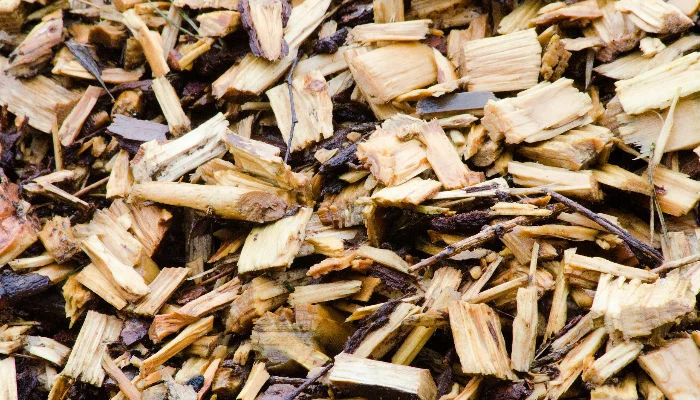
Why Should I Mulch?
Like lying under a down comforter, mulch helps insulate the soil and acts as a buffer between the changes in hot and cold temperatures. It also helps retain water…
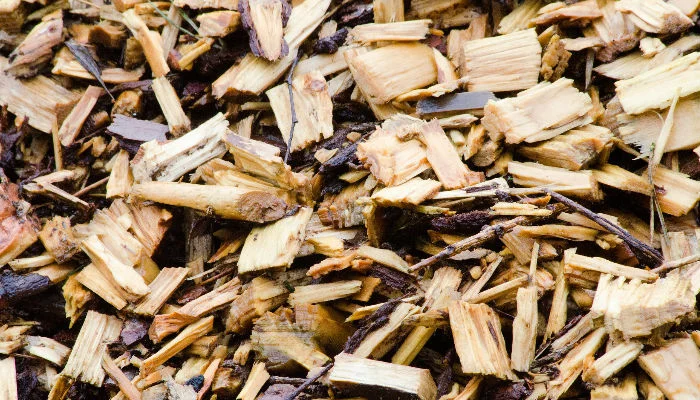
Like lying under a down comforter, mulch helps insulate the soil and acts as a buffer between the changes in hot and cold temperatures. It also helps retain water keeping the root system moist while helping to keep weeds at bay and preventing root competition.
Can you use fresh wood chips as mulch?
Unlike a good seasoned piece of firewood, as soon as the chips come out they can be laid down. There are a couple of instances however where one may be cautious. When laying fresh Pine chips, be careful of chips containing nematodes when placing them around another pine that has any damage near the base, this will help avoid pine wilt.
How close should mulch be to plants?
It is recommended that you spread to a depth of 3-4 inches when working under trees, shrubs and planting beds for medium to coarse textured mulch.
What is the use of wood chips?
Wikipedia simply states:
Wood chips may be used as a biomass solid fuel and are raw material for producing wood pulp. They may also be used as an organic mulch in gardening, landscaping, restoration ecology, bioreactors for denitrification and mushroom cultivation. According to the different chemical and mechanical properties of the masses, the wood logs are mostly peeled, and the bark chips and the wood chips are processed in different processes. The process of making wood chips is called wood-chipping and is done with a wood chipper.
What can be used as mulch?
Grass clippings, decaying leaves, compost, straw, and wood chips are but just a few options. Whereas grass clippings will decay quickly, the uses of wood chips will provide an attractive alternative, less likely to succumb to a light wind and blow away, and decays slowly.
Where can I find wood chip mulch?You neighborhood landscaping company or even one of the big box stores such as Menards can be a source. But our favorite option is obtaining freshly chipped wood from J’s Tree Trimming.

Tree Climbing For Work And Recreation
J's performs jobs on the ground AND in the air. Our crews are not only Climbers but certified Boom Operators so we can access those hard to reach trims from the ground.
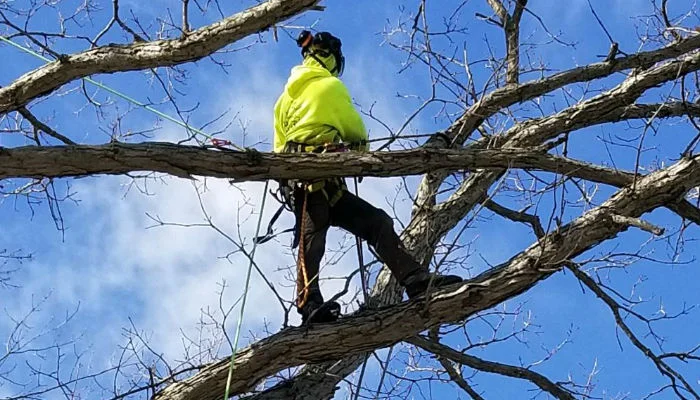
J's performs jobs on the ground AND in the air. Our crews are not only Climbers but certified Boom Operators so we can access those hard to reach trims from the ground. But a boom can only go so far. For the trees that need a little extra something, we employ experienced tree climbers. No tree is too tall for our crews!
Technical (rope and harness) tree climbing requires skill and practice to master. The skills required can be taught so that just about anybody —no matter their age — can do it! A skilled tree climber performs one of the safest activities on earth. In fact, according to Tree Climbers International, they state:
"to date we know of no incidents anywhere in the world in which a recreational tree climber using the TCI system and safety protocols has fallen or gotten hurt."
In addition to the skill necessary, proper equipment is imperative. One such item is a harness.
A harness, belt or saddle, depending on where the climber hangs their hard hat or saw, is an intimate part of every working day, often spending a lot more time in contact with the user’s body than anything else in their life.
There are four basic types of industrial harnesses and many tree industry specific harnesses will have elements of each one:
- Fall restraint: This system is meant to prevent the user from getting into a position where they can fall. It’s pretty limited in tree work and would most commonly be seen in the use of a body belt with the appropriate lanyard in an aerial lift or device. The right length lanyard used with a fall-restraint harness is the key component, as it is what prevents the user from getting to a spot where a fall could occur.
- Fall arrest: This system is supposed to stop a fall, as well as lessen the forces and possible injuries. In tree care, these types of systems are most often called full-body harnesses and are often used in aerial lifts, though some can also be used for climbing.
- Work positioning: This gives the climber the ability to position themselves safely and correctly to carry out the needed work, preventing a fall while keeping the hands free. Side attachment points or D-rings are a good example of work positioning.
- Suspension: Its purpose is to sort of cradle the climber in an upright, slightly seated position while tied in above. When setup properly, it can also allow stable work positioning with both hands free.
Source: Tree Services, October 2012

Ships, Sauces and Teeth
We don’t give our employees, whether a tree climber, bucket or boom operator, stump grinder or groundsmen any special designation - we think they are all A1! So, when you’re seeking excellent tree services performed by a tree company in business for nearly two-decades and fully insured, give J’s Tree Trimming & Removal a call for a free estimate.

Leave It To The English
Should I use a tree service that is “A1”, “A.1.”, “A-1”, or “1-A”?
You can’t go wrong with selecting a tree company earning any of those excellent ratings.
Captains
The oldest term goes back pre-American Revolution when Lloyd’s Registry, a British company that insured ships, coined the term to classify their ships.
Before any ship was insured, the company inspected it and then rated it. The letters A, E, I, O and U were used to indicate the condition of the hull of the ship, and the numbers 1, 2, 3, etc. were used to indicate the state of the equipment (cables, anchor, etc.) on board. If the ship was rated A1, it meant that both the hull and the equipment were in excellent condition.
So, if a ship was rated A1, it meant that both its hull and the equipment were in perfect condition. Likewise, a rating of U4 meant the ship was in a really bad condition.
Cooks
Then in the early 1800’s it became associated with the royal approval of the British King when he declared the special sauce prepared by Henderson William Brand to be “A1”.
This proclamation ultimately inspired Brand to develop A.1. Sauce. Sold from 1831 as a condiment for meat or game dishes in the United Kingdom, it was later introduced to North America, where it was marketed as a steak sauce produced by Kraft Foods, A.1. Steak Sauce.
(Leave it to the English to start a language trend. Need I mention Austin Powers use of ‘shag’).
This is how the term/phrase "A1" got stuck and is now used to describe anything (not just ships) of the highest quality.
Classification
Even though men are not classified now, the Selective Service Classification process determined who is available for military service and who is deferred or exempted.
“1-A” meant “Available for military service”.
If the classifications used from 1948-1976 were based upon the famous “4-F” meaning “registrant not qualified for military service” then this process is over 150 years old stemming from the Civil War.
Even though the first cartridge bullet was invented in the mid-19th century, mass production of same had yet to begin by the time of the Civil War. Therefore, most people do not know that the term 4-F (or 4F) originated for the Civil War and was used to disqualify army recruits who did not have four front teeth with which to tear open gunpowder packages.
Climbing
We don’t give our employees, whether a tree climber, bucket or boom operator, stump grinder or groundsmen any special designation - we think they are all A1! So, when you’re seeking excellent tree services performed by a tree company in business for nearly two-decades and fully insured, give J’s Tree Trimming & Removal a call for a free estimate.
For More Information about Brand and the Selective Service process, keep reading...
1824-1831 In a time when a kings palate was supreme. Henderson William Brand, chef to England's King George IV, creates a special sauce for the king's table. The king is so impressed with the new sauce, he proclaims it "A1".
Who was Henderson William Brand (1805 – 1893)?
He was born in Durham in the North East of England and worked in the kitchen of King George IV (1762 – 1830) before being appointed head chef to Thomas Coke, 1st Earl of Leicester (1754 – 1842). From 1833 Brand was a writer of popular cookbooks.
Brand established a factory/shop on 11 Little Stanhope Street in Mayfair, London in 1835. His first product was Essence of Chicken. It was produced by heating chopped meat inside a pot until it separated into fat, fibre and “liquid essence”, a clear amber liquid. It was recommended as a substitute for brandy in relieving exhaustion and nervous ailments. Brand had allegedly developed the product for the convalescent king.
A.1. Sauce (formerly A.1. Steak Sauce) is a brand of steak sauce produced by Kraft Foods which includes tomato purée, raisin paste, distilled vinegar, corn syrup, salt, crushed orange purée, dried garlic and onions, spice, celery seed, caramel color, and xanthan gum. The original sauce included more expensive malt vinegar, molasses, and marmalade in its ingredients.
Many civilians, as well as military personnel, are familiar with the term 4-F (also called 4F). 4-F is a classification given to a new U.S. military registrant indicating that he or she is “not acceptable for service in the Armed Forces” due to medical, dental, or other reasons.
Classifications are based on each individual registrant's circumstances and beliefs. A classification program would go into effect when Congress and the President decide to resume a draft. Then, men who are qualified for induction would have the opportunity to file a claim for exemptions, deferments, and postponements from military service.
The following is a list of the more commonly used Selective Service classifications from 1948 – 1976. Roman numerals I, II, III, IV, V were sometimes used:
1-A - Available for military service.
1-AM - Medical specialist available for military service.
1-A-O - Conscientious Objector - Conscientiously opposed to training and military service requiring the use of arms - fulfills his service obligation in a noncombatant position within the military. Those classified 1-A-O are conscientious objectors available for noncombatant military service.
1-A-OM - Medical specialist conscientious objector available for noncombatant military service.
1-C - Member of the Armed Forces of the United States, the Coast and Geodetic Survey, or the Public Health Service. (Enl) - enlisted; (Ind) - inducted; (Dis) - discharged
1-D - Member of a Reserve component or student taking military training.
1-H - Registrant not currently subject to processing for induction or alternative service.
Note: Within the cessation of registrant processing in 1976, all registrants (except for a few alleged violators of the Military Selective Service Act) were classified 1-H regardless of any previous classification.
1-O - Conscientious objector available for civilian work contributing to the national health, safety or interest.
1-OM - Medical specialist conscientious objector available for civilian work contributing to the national health, safety or interest.
1-S - Student deferred by statue - (H) high school; (C) college.
1-W - Conscientious objector performing civilian work in the national health, safety or interest. (Rel) - Released.
1-Y - Registrant qualified for service only in time of war or national emergency.
Note: The 1-Y classification was abolished December 10, 1971. Local boards were subsequently instructed to reclassify all 1-Y registrants by administrative action.
2-A - Registrant deferred because of civilian occupation (except agriculture).
2-AM - Medical specialist deferred because of critical community need involving patient care.
2-C - Registrant deferred because of agricultural occupation.
2-D - Ministerial Students - Deferred from military service.
2-M - Registrant deferred for medical study.
2-S - Registrant deferred because of activity in study.
3-A - Hardship Deferment - Deferred from military service because service would cause hardship upon his family.
4-A - Registrant who has completed service; or sole surviving son.
4-B - Official deferred by law.
4-C - Alien or Dual National - Sometimes exempt from military service.
4-D - Ministers of Religion - Exempted from military service.
4-E - Conscientious objector opposed to both combatant and noncombatant training and service.
4-F - Registrant not qualified for military service.
4-FM - Medical specialist not qualified for military service.
4-G - Sole surviving son.
4-W - Conscientious objector who has completed civilian alternate service.
5-A - Registrant over the age of liability for military service.
One with the Environment
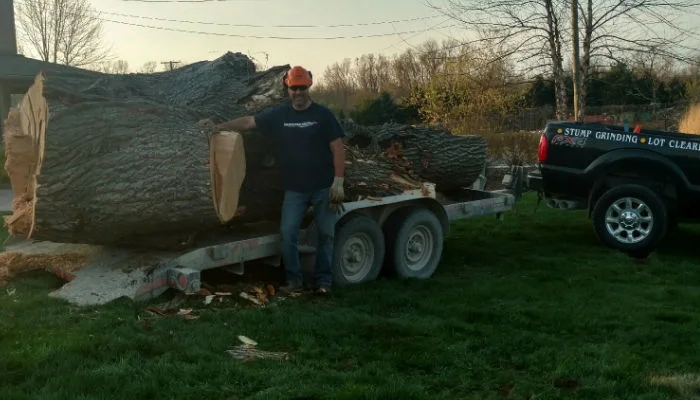
In the world of tree services, whether tree trimming or tree removal, there are a variety of methods.
When reviewing and quoting a project we consider the following questions:
Should we use a bucket or lift for the tree trimming?
Do we need to bring in a crane for a tree removal?
Is it right to use the climbing gear?
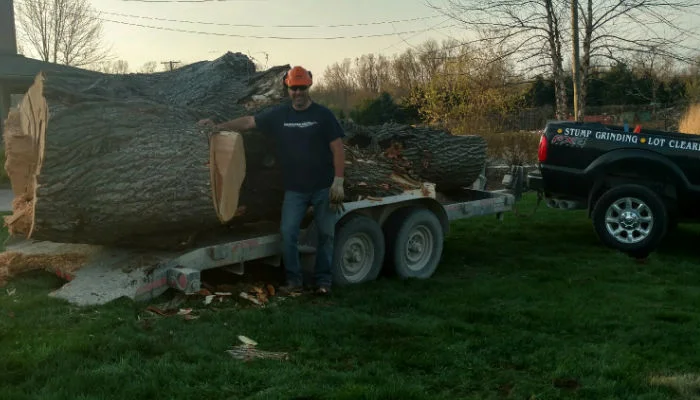
In the world of tree services, whether tree trimming or tree removal, there are a variety of methods.
When reviewing and quoting a project we consider the following questions:
Should we use a bucket or lift for the tree trimming?
Do we need to bring in a crane for a tree removal?
Is it right to use the climbing gear?
Without surveying the project, it’s hard to just give a quote over the phone.
Can we easily access the tree? This isn’t a question for the novice homeowner on the other end of the line.
By determining the means on how to approach the tree services project, it helps us identify the type of equipment we may need to use.
We need to consider if this a project where we can drive a 45-foot Mini-Arborist or 65-foot Hi-Ranger right up to the tree. Or do we need to bring in a big crane for a little extra reach?
If the tree is in a tight area, then we’re looking at a crane. This extra reach allows us to cut and move the tree down in one piece, no need to block down the tree where it stands.
Another benefit for the larger crane is it’s faster and preserves our client’s lawn and yards.
Climbers may also be used to clear some of the larger limbs before the cutting and moving of the main trunk. Two climbers or a team may be used where one is hooking the limb and the other is cutting. Usually though, and as impressive as it is seeing someone up the tree, climbers tend to be a last resort.
There are plenty of pieces of equipment that can be used to help maintain the safety of our crew, the client’s house and the property.
When there are dead trees in backyards and where we wouldn’t send a climber there are other ways of getting the tree down.This may mean tying off to another tree or we set up a huge crane in the front and tie off to the crane and then piece it down.
On some jobs, there is just nothing safe to tie off to, and there is no access for any heavy equipment, this is when we bring in the Spider. The Spider can get right back there and because it ‘walks’ across the property, it’s very environmentally friendly. They are just so slow, though, but cool to watch.
When a project is not focused on removing a large tree but a series of smaller trees, say to clear a path, we’ll use a CAT with a forestry head. These are great for clearing out underbrush and saplings.
You may wonder about using a bucket. Wouldn’t that help with safety as well as provide reach? The answer is yes, but the quality of the work can suffer. With a bucket we may need to unnecessarily cut down limbs just to get to right area of the tree.
There is no single approach to any job and we take pride in using a variety of approaches to avoid damaging the client’s property, and maintaining a high level of safety, when performing tree services.

J's or Jay's? What's In A Name?
What's in a name?
Shakespeare wrote this phrase in the 16th century, but what does it mean today?
Certainly you’ve heard this phrase before, you may have even said it once or twice perhaps while trying to name a newborn or shopping for a pain reliever. Juliet was a teenage in angst trying to frame an undying love. In the 21st century we use it for all kinds of questions surrounding life and living.

Juliet:
"What's in a name? That which we call a rose
By any other name would smell as sweet."
Romeo and Juliet (II, ii, 1-2)
What's in a name?
Shakespeare wrote this phrase in the 16th century, but what does it mean today?
Certainly, you’ve heard this phrase before, you may have even said it once or twice perhaps while trying to name a newborn or shopping for a pain reliever. Juliet was a teenager in angst trying to frame an undying love. In the 21st century, we use it for all kinds of questions surrounding life and living.
Mostly, one might say this phrase is used when attempting to validate the savings in buying a non-designer brand of clothes, or a generic food substitute. Sometimes though the quality of the product aren’t offset by those savings.
What's in a name?
Why Should I Care?
Whether it’s on a balcony, or Romeo and Juliet sitting in a tree (k-i-s-s-i-n-g), or simply searching the web, it turns out that what’s behind someone's name can mean a whole lot more than one realizes.
A generic trademark, also known as a genericized trademark or proprietary eponym, is a trademark or brand name that, due to its popularity or significance, has become the generic name for, or synonymous with, a general class of product or service, usually against the intentions of the trademark's holder. The process of a product's name becoming genericized is known as genericide.
Kleenex is often used informally as a genericized trademark for facial tissue, just as
- Coke for cola, pop or soda
- Clorox for beach
- Frisbee for flying disc
- Jacuzzi for hot tub or spa
- Jet Ski for stand-up personal watercraft
- PowerPoint forslide show
- Q-tips for cotton swabs
- Scotch Tape for clear adhesive tape
- Ski-Doo for snowmobile
- Stetson for cowboy hat
- Vaseline for petroleum jelly
- Xerox for photocopier
- Zeppelin for rigid airship
What's in a name?
When should you care about the search results?
Whether you’re seeking...
- Tree Services
- Tree Removal
- Tree Cutting
- Tree Trimming
- Tree Pruning
- Tree Lopping
- Stump Grinding
- Stump Removal
or any of the vast keyword phrases used to simply find a tree service company or arborist to perform your tree care be certain to dig deep into the final results to find a reputable company. A tree company who has a long-standing customer focus. A family-owned company who has a focus on customer service. A company who stands behind their product as the tree felling occurs on your property.
There are a multitude of companies with “Tree” in their title, there are others who vary from the company you truly seek just by the spelling from “J’s Tree Trimming & Removal” to “Jay’s Tree Trimming” to “J and J Tree Care”. Do your research, and here are Five Tips To Expect From A Responsible Tree Care Service Company.
What's in a name?
In short, even if it is short like “J’s”, volumes!
Five Tips To Expect From a Responsible Tree Care Service Company

Thinking of hiring a tree trimming service? When searching for an independent tree care service here are five tips to finding the right company and ensuring there are no surprises with your next landscaping project.
Certainly, you’ve heard the expression, “You get what you pay for.” Sometimes simply selecting the lowest bid increases the risk of project failure and may lead to higher costs down the road.
With proper planning and a knowledgeable contractor, you can be assured of a job well done at a reasonable cost.
How much should you expect to pay, if anything, for an estimate or consultation?
In tree care, free estimates are most common. A company who uses a Certified Arborist or a trained tree care professional can not only answer your questions but provide insight into other areas which may need attention due to deadwood or disease, or ways to improve the aesthetic of your property.
Does price reflect quality?
Our estimator may provide recommendations on how the project should take place. In the long run, is it worth cutting corners? The lowest bid is not always the best. Request a written description of the materials necessary for the job. A low bid may indicate that a contractor doesn’t include all aspects of tree trimming and removal including flush-cutting, grinding of the stump, hauling logs, chipping limbs and a total clean up.
What type of insurance should I request from a tree removal company?
Before selecting your contractor, be sure to verify all licensing and insurance. Don’t be afraid to ask to see if the liability policy is at least $1 million. Even more so, ask if they have an umbrella policy to match. A responsible tree company will have and will provide you with the POI (proof of insurance) on the spot.
What should be in my contract?
Nailing down your project’s specifics in a written contract protects the homeowner and the contractor. You want to ensure that all the work is completed and that no other unmarked trees are removed or stumps ground.
How do I make the right choice?
It’s important that you’re comfortable with the company. The right person for the job will be easy to talk to, upfront and honest. If your gut tells you it’s right, it probably is.
What about contractor's credentials?
Before you hire a contractor, be sure you understand their qualifications, including any certifications they have from national trade organizations. Look for:
- ASM (Arborculture Society of Michigan)
- TCIA (Tree Care Industry Association)
Also check reviews and referrals from:
Angie’s List
Houzz
Yelp
Facebook
What should be the final actions of a tree care project?
Schedule a final walk-through.
Ensure things are complete before signing off.
Submit a review to one of the sites.

Money Growing On Trees Is NOT An Urban Legend
At J’s Tree Trimming and Removal, we are regularly faced with a need to remove trees that have acquired a disease. It’s a sad day when a mature, shade-giving tree has to be cut down in its prime due to illness.

At J’s Tree Trimming and Removal, we are regularly faced with a need to remove trees that have acquired a disease. It’s a sad day when a mature, shade-giving tree has to be cut down in its prime due to illness.
My heart was warmed most recently when reading an article from October 2016 about the United Nations conference on sustainable urban development.
Below are some highlights from the article and a link to the full article. It discusses sustainability and the need for urban green spaces which are essential for mental and physical health, not to mention community building and supporting ecological needs.
The importance of urban forests: why money really does grow on trees
Amy Fleming
Last modified on Wednesday 12 October 2016 09.53 EDT
Mature trees clean air, lower stress, boost happiness, reduce flood risk – and even save municipal money. So why are they cut down when cities develop – and how should the UN’s new urban agenda protect them?
The skyline along Manhattan’s Upper Fifth Avenue, where it flanks Central Park, is dominated by vast, verdant clouds of American elm trees. Their high-arched branches and luminous green canopies form – as historian Jill Jones puts it – “a beautiful cathedral of shade”. When she started researching her new book, Urban Forests, she’d have struggled to identify the species – but now, she says, “when I see one, I say ‘Oh my goodness, this is a rare survivor,’ and deeply appreciate the fact that it’s there.”
The American elm was once America’s most beloved and abundant city tree. It liked urban soil, and its branches spread out a safe distance above traffic, to provide the dappled shade that cities depended on before air conditioning.
Now, however, most of the big, old elms have been wiped out by Dutch elm disease. Many of them were replaced by ash, which have in turn been killed by another imported pest: the emerald ash borer. By the 1970s, writes Jones, much of America’s urban tree cover had fallen victim to “disease, development and shrinking municipal budgets”.
Thousands of miles away, in Bangkok, the main threat is construction work. After a group of residents tried in vain to save several mature trees on their lane, which were felled to make way for a car park, they formed a tree advocacy group, the Big Trees Project.
Within weeks, membership swelled to 16,000. Forestry officer at the Food and Agriculture Organisation of the United Nations (FAO), Simone Borelli tells me of similar tree advocacy groups in Malaysia, India and Central African Republic, where the capital, Bangui, has “grown out of the forest and is eating it up”.
This month will see representatives from the world’s cities convene in Quito, Ecuador, for the United Nations conference on sustainable urban development, Habitat III. An agreement called the New Urban Agenda will be launched, to address the challenges facing a growing global urban population that already accounts for over 50% of us....
...It’s hard to put a price on how an avenue of plane trees can muffle the roar of a main road, although trees do on average increase the value of property by 20%. Perhaps money does grow on them after all.
Read more: https://www.theguardian.com/cities/2016/oct/12/importance-urban-forests-money-grow-trees
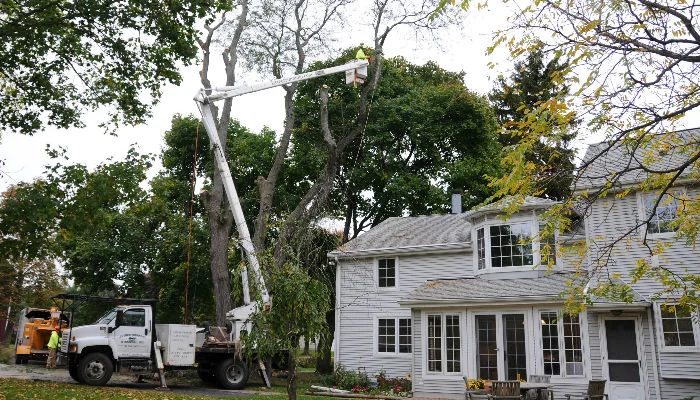
What is an Arborist?
An arborist, or (less commonly) arboriculturist, is a professional in the practice of arboriculture, which is the cultivation, management, and study of individual trees, shrubs, and vines, other perennial woody plants. Arborists generally focus on the health and safety of individual plants and trees.
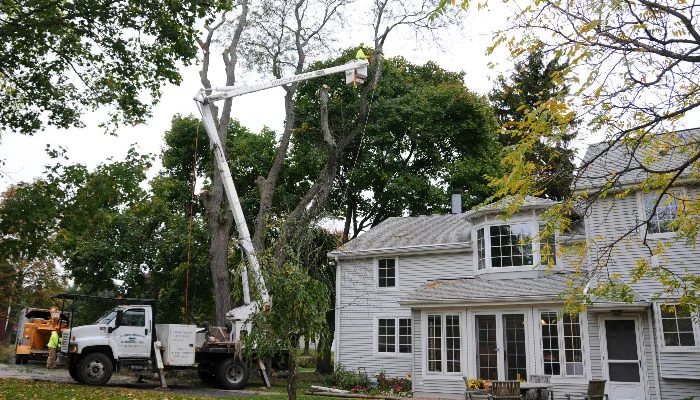
What is an Arbor?
Arbor has a variety of meanings:
- In the garden, it’s a landscape structure
- It is a tool, such as a mandrel
- You might find one as a counterweight-carrying device used in theater fly systems
- When fishing, it’s the central post of a reel to which fishing line is attached
In our case, we’re concerned with the definition of Arbor as a grove of trees.
What is an Arborist?
An arborist, or (less commonly) arboriculturist, is a professional in the practice of arboriculture, which is the
- cultivation,
- management, and
- study of individual trees, shrubs, and vines, other perennial woody plants.
Arborists generally focus on the health and safety of individual plants and trees.
Shocking facts
Not all trees grow in the middle of a forest. For those Arborists who work near power wires either additional training is required or they need to be a Qualified Line Clearance Arborist. There is a variety of minimum distances that must be kept from power wires depending on voltage, however, the common distance for low voltage lines in urban settings is 10 feet (about 3 metres).
Getting a leg up
While some aspects of this work are done on the ground or in an office, much of it is done by arborists who perform tree services and who climb the trees with ropes, harnesses and other equipment. Lifts and cranes may be used too. The work of all arborists is not the same
An arborist's work may include some or all of the following:
- Planting
- Transplanting
- Pruning
- Structural support
- Preventing, or diagnosing and treating phytopathology or parasitism;
- Preventing or interrupting grazing or predation
- Installing lightning protection
- Removing vegetation deemed as hazardous, an invasive species, a disease vector, or a weed
How did Ann Arbor get its name?
The original founders were John Allen from Virginia and Elisha Rumsey from New York. Their wives' names were both Ann.
One account states that Allen and Rumsey decided to name the settlement "Annarbour", for their spouses (after discarding the alternative names Allensville and Annapolis) and for the stands of bur oak in the 640 acres of land they had purchased.
Although The University of Michigan moved from Detroit to Ann Arbor in 1837, and the city grew at a rapid rate in the early to mid-20th century, Ann Arbor is proud to be the host of the University’s Bi-Centennial anniversary.
Why hire an Arborist in Ann Arbor or anywhere?
It’s simple
“to provide you with the highest quality of professional, reliable, and safe tree care.”
Find a company with years of experience, one that is yard friendly and has the expertise to help keep your property safe, by using rubber track machines to prevent damages to your lawn. Whether your needs are:
- Brush Chipping
- Bucket Truck Work
- Cabling and Bracing
- Emergency Tree Service
- Field Mowing
- Firewood Delivery
- Lot and Land Clearing
- Pruning
- Shrub Pruning
- Storm Damage
- Stump Grinding
- Track Machine Work
- Tree Planting
- Tree Removal
- Tree Trimming
- Wood Chips
- Wood Hauling
Check to make certain they are licensed, insured and have tree services in their blood.
Jason Godfrey started out his passion for tree work in 1990, working alongside his dad and uncle. His dad, Dave Godfrey, was an Arborist for the City of Ann Arbor Forestry Department. His uncle, Dan Godfrey, worked in the tree industry and had a passion for the vocation. In 1995, Jason began to purchase equipment for the growing, quality company which J's Tree Trimming and Removal has become.
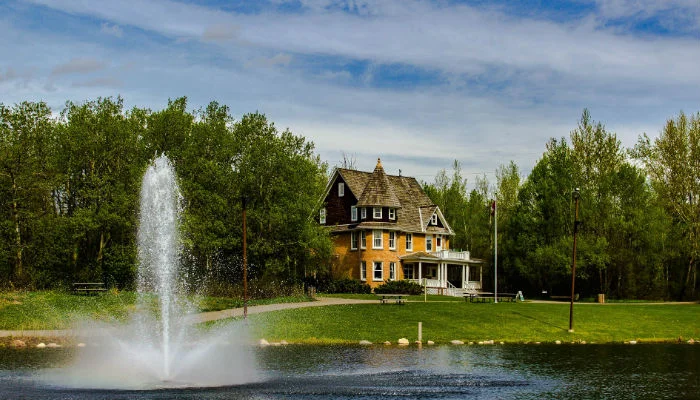
Selling Your Home Soon? Get Pruning & Stump Removal Taken Care of Before Listing
It can be far less expensive than you think to boost a property’s curb appeal and attract the right buyer.
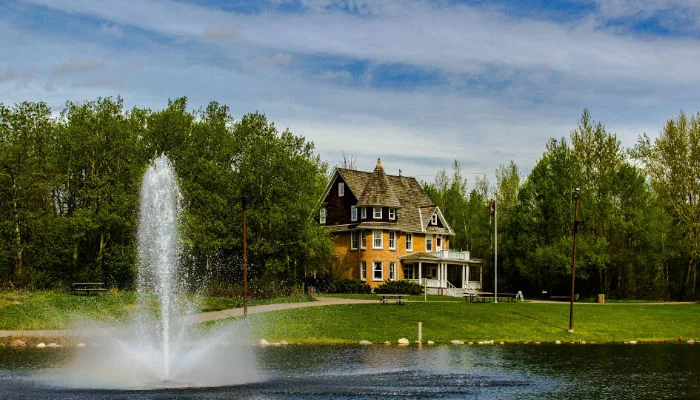
It can be far less expensive than you think to boost a property’s curb appeal and attract the right buyer. While homeowners can spend thousands of dollars on improvements to the interior of a home, the exterior of a home may continue to be neglected. What real estate agents do know is that good curb appeal has the potential to raise your property values and improve your ability to sell your home. What role do trees and stumps play in the curb appeal of a home?
When trees, shrubs and other plants are sickly or dying, they can distract homeowners from the appeal of a home. Your home needs to make a good first impression. Property maintenance is like good hygiene. In order to attract the right people, a little effort needs to be made to create a warm and welcoming exterior. This is where professional service providers can help.
Homeowners can choose from a number of ways to increase the value of their home. Learn more about tree and stump removal, power washing and other ways to inexpensively help you get maximum value for a home going on the market.
Boost Your Curb Appeal
There are a number of relatively inexpensive ways to boost a home’s curb appeal and attract prospective buyers. Taking care of eye-sores, such as dying trees and shrubs, as well as removing stumps, can get eyeballs back on the best features of a home. In can cost less than $1000 to boost a home’s curb appeal. It is possible to remove a tree and stump from a home in less than 5 hours. Tree and stump removal can provide a clean canvas from which property owners and prospective buyers can use toward landscaping and gardening projects.
Prospective homebuyers who pay top dollar do not want to deal with dead or dying flora. A home seller looking to get optimal value for a home should address issues such as dying trees and tree stumps. Tree and stump removal services can help freshen up the property and give a clean and well-maintained appearance. Dying trees or tree stumps on or near a future fence-line should be removed. Homeowners can increase their appraisal value of a home with the addition of a fence to frame the property. Fences in good condition can add impact to a property in a family-oriented neighborhood. Homeowners without a fence may want to prepare the property for the possibility of a fence installation with the removal of trees and stumps along the border.
Choose a Professional Tree and Stump Removal Service Provider
Homeowners need to select a legitimate tree and stump removal service provider. Knowledgeable homeowners can:
- Ask service providers for certifications and credentials;
- Request references;
- Ask to see if their certificates of insurance are up-to-date;
- Inquire about the tree or stump removal process and safety procedures;
- Request a detailed written estimate before work begins; and
- Ask about the length of time needed to complete a service.
After all, this is your property you are attempting to maintain. A professional tree and stump removal specialist will take the steps necessary to provide you with the understanding and security you may need before a project begins.
Other Recommended Property Improvements
In addition to the removal of trees and tree stumps, there are many other ways homeowners can improve the appearance of their yard during the selling process. Real estate agents advise home sellers to keep a well-maintained yard. This includes:
- Pruning shrubs;
- Adding fresh mulch;
- Keeping a well-manicured lawn;
- Putting an edge on garden beds;
- Regular mowing and weeding; and
- Covering up bare spots in the yard.
Homeowners should not forget the difference a power wash can make on walkways and the exterior of a home. A clean and fresh exterior sends a message that a homeowner has invested in the care and maintenance of a property.
Stage the exterior of the home, as well as the interior, for the season. Mulching around trees and shrubs help colors to pop. The addition of a few colorful plants related to the season or painting the front door either red or blue can add visual appeal to a home. Colorful plants that thrive in shady areas include Astilbe, Coleus, Creeping Jenny and some types of roses. Creeping Jenny may also be used to address bare areas in the landscape. Tree and stump removal, regular mowing, mulching and planting for the season are easy ways for homeowners to make their home attractive to prospective buyers.
This guest blog provided by: Justin Havre & Associates - an elite team of highly successful, award-winning Calgary real estate agents.

Kerri & Jason ON AIR
LUCY: Well the couple we're going to meet today they own J’s Tree Trimming & Removal, that’s the letter J apostrophe ‘s’, J's Tree Trimming and Removal.
Transcript of the May 5, 2017 Radio Show
LUCY: We’re Ann Arbor’s talk station 1290 WLBY. The Lucy Anne Lance show, we live stream at 1290wlby.com.
Pete Nowakowski it's time for around the home you're with the Builders Remodelers Association of Greater Ann Arbor.
PETE: Let's do it. Good morning.
By the way, I got to know yesterday did you see that the Washtenaw remodelers council changed its name to Remodelers Council of Greater Ann Arbor taking a cue from the Builders Remodelers Association of Greater Ann Arbor.
PETE: That's right yeah that's a group that is made up of volunteers of our membership.
LUCY: Right right well that's interesting to see and I like that play-off on your name as well. The season is upon us this is this is the time of year when your membership they’re loving this, right?
PETE: Oh yeah, people are real busy this time of year and we're getting a lot of calls in the office asking for referrals for various trades or building projects of all kinds of sizes sounds like there's a lot of activity for sure.
LUCY: Well the couple we're going to meet today they own J’s Tree Trimming & Removal, that’s the letter J apostrophe ‘s’, J's tree trimming and removal and this is a husband a wife who have been married what fifteen years now?
KERRI: Married twelve together for fifteen.
LUCY: But you met Kerri, you met your husband Jason in a driveway because he was doing a job?
KERRI: Yeah, yeah, he was swinging by doing a bid in Saline and he pulled into my driveway and it was over after that we were all done.
LUCY: Pretty good there Jason I like your style. So here you are fifteen years later two boys also and a great business that both of you co-own. How did you start this business, Jason?
JASON: My dad was an arborist for the City of Ann Arbor and I would go with him to work as summer help, and go and learn of the tree industry and have fun and it's been great.
LUCY: While being an arborist in tree town, imagine that you know. So you really learned from your dad?
JASON: For sure arborist for the city of Ann Arbor and spent a lot of time with him in my uncles on jobs. And going to different places and a lot of training in-house in out of house and just get our hands dirty and have fun along the way.
LUCY: We're talking with Jason Godfrey and his wife Kerri Godfrey owners of J’s Tree Trimming & Removal, and your dad's name?
JASON: Dave Godfrey
LUCY: OK And how long was he with the city?
JASON: Over thirty years.
LUCY: My goodness, it's a long career there. So when you first started out your business and how long have you had it now?
JASON: 2001. In ‘95 I started buying equipment for the company and climbing and been climbing ever since and running boom trucks and having fun.
LUCY: And the bulk of your business what are you doing?
JASON: We're doing a lot of skilled removals technical removals over home so we do a lot of proper pruning techniques with a lot of big trims. Oak trims in the winter time, we do because oak wilt disease but we get into a lot of boom work we have two big boom trucks and we have skilled climbers so we do a lot of technical stuff on property and with keeping everybody's property safe and just doing a great job.
KERRI: Yeah, we're about 85% residential and the other’s commercial work.
LUCY: It's amazing to see how many of these subdivisions you know when they first start the trees are planted how quickly they grow big you don't really envision what it's going to look like in those mature years. And there could be a lot of problems with overhead wires. So what are you looking for when you're pruning?
JASON: When you're printing a lot of branch unions, V-shaped are basically the branch unions you want to thin the trees out for the health of the trees but also a trimming a tree you want to keep the tree thin so the sunlight can get into the core of the tree not only sunlight but airflow is huge so by thinning it the wind load on the canopy goes through the tree not against the tree so trimming a tree there's a lot a lot of techniques to it and it should be done properly and we train our staff to do a great job and work with the customer make sure they're happy when we're done and take the time to put the right guys on the jobs and do great work.
LUCY: So when is the best time to trim and prune?
JASON: Oaks would be in the wintertime when they're dormant you want to do the oaks and basically any other species of trees we can tackle now some of the fir trees you want to wait a little bit on when the buds are off but basically definitely the oaks you wanna wait till they're dormant.
LUCY: What happens if you start cutting when the buds are there?
JASON: They are prone to oak wilt disease, the big oaks Yeah, so they're they're prone to the oak wilt that some areas are more prevalent than others but the best rule of thumb is to stay away from them until basically winter time so we schedule our team to do a lot of trims in the winter to keep our staff busy.
LUCY: Jason, what other tree diseases are out there?
JASON: Basically, you have diplodia tip blight for the pine trees. Yeah, that's brown, it'll go through the whole tree and relatively quickly so once you do see that it's good to get him out of there because it will jump to the next one.
LUCY: So when you say get out, get the whole tree out?
JASON: A lot of times you can have there been dead wood at first and try the baby steps along the way but it's good you know if there's too much eighty percent seventy percent there it's good to get them out of there and also grind the stump so that way we can start with a new species of conifer deciduous tree or whatever the homeowner chooses.
LUCY: What causes that to happen?
JASON: The oak wilt basically is caused by and several different ways but it can be basically through the root structure of the tree is where it goes on the oak wilt.
LUCY: And then on the evergreen trees?
JASON: Basically, that's the diplodia tip blight but that basically will go through the whole tree itself too, through the right structure.
LUCY: And you can’t save them?
JASON: By deadwooding it's baby steps it's good to deadwood as much as you can but then sometimes it becomes the homeowner’s decision to remove it.
LUCY: OK. You mentioned you have a climber.
JASON: Yeah we have several climbers and they do a great job and they're trained and we do a lot of training really once a week we have safety meetings but we do a lot of roping and rigging over a lot of homes so it's not just going up and cut things we get into actually skilled work where we're setting pulleys and trees and were roping and rigging limbs over top of homes so it's more than meets the eye of climbing a tree and cutting a limb so we use a lot of again pulleys, ropes, porta wraps on the bottoms again that's to lower limb safely so limbs aren't coming crashing to the ground so everything's lowered until Kerri buys the helicopter.
KERRI: It’s on the list. He’s asking for a lot of things.
LUCY: Training for your guy, obviously safety is of most importance but do you have a training program how do you approach that?
JASON: Yeah, we have to do a lot of training, Premier Aerial out of Brighton comes out and we train all our boom operators they are all certified. Basically, in-house we are members of TCIA. We go to training out of state a lot of times. Chainsaw safety in-house, chipper safety in-house chipper safety out of house. Vermeer, Bandit we attend those. Bartlett for climbing so a lot of in-house and out house a little bit of both.
LUCY: Jason Godfrey with us along with Kerri Godfrey they’re owners of J’s Tree Trimming & Removal. What are people asking for right now when you're getting those calls in the office?
JASON: When can you do it?
LUCY: How quickly can you respond to a call?
JASON: We're putting three crews out so roughly I'd say within two weeks and that's what our goal is and we're able to meet it when it rains like this we have to adapt and overcome but we go to Plan B and do a lot of groundwork and we have a lot of methods of the small many loaders on properties that are four pounds per square inch to carry material over drain fields and not hurt them and what not and get the job done safely?
LUCY: OK. When it's all said and done what can people expect to pay for something like this, how do you price out a particular job?
JASON: Every job is really so unique in itself. As far as numbers it's best to walk the project and trims are different from a big skilled removal, front yard versus backyard, our stump grinders fit into thirty-six inch gates so we have a really unique stump grinder track loaders are really unique, we have the many ones that fit and backyards we have the big caterpillar track machines that basically do big lot clearance.
LUCY: And this is all important because people obviously have put in a lot of money to their landscaping, the last thing they want is someone coming in and ruining all of that so you take great care.
JASON: We take all precautions and use the right guys and the right equipment on their property and we have great office staff and great guys in the field. Everybody works great as a team to make it happen.
LUCY: Do you handle storm drainage or anything revolving around that?
JASON: There are a lot of storm work itself yeah we do a lot of trees that you know tipped over due to shallow base root structure on conifers a lot of pines and spruces are shallower root base and basically they're tipping over due to the high winds so we did a lot of conifers a lot of the deciduous hardwoods are fanned out more so the root structure is a lot better. But again those do come over and so a drainage is a lot on those if you're getting a lot of puddling around your trees you want to make sure you have proper drainage to keep the water away it's good to have the water but you'll have too much water.
LUCY: Where is your business located, Kerri?
KERRI: We are at 7005 Jackson Road in Ann Arbor.
LUCY: OK, and you two are both Dexter originally you grew up in Dexter.
KERRI: Yes.
LUCY: Wonderful Well it's nice to see this business flourishing and doing so well. Are you, this comes up a lot with these kinds of businesses, are you finding workers out there?
JASON: They're out there, yeah, we have a great staff on now and we give a lot of credit and once a week we have safety meetings and we take care of them they take care of us and as a team it's great.
LUCY: So that hasn't been a problem for you getting people?
KERRI: No, we are so fortunate and some days we are, wow, they are just making it happen.
LUCY: I see here, hey Pete, particularly since we've been hearing from a lot of builders or remodelers you know they can't find workers.
PETE: Yeah we love you know a good low unemployment rate you know it's good that there are you know not as many people struggling to find work and everything but yes certainly the trades, trades have been fighting that battle and have been having problems in a lot of areas so you know we're encouraging young people to pursue the dream and look at that.
LUCY: Well J’s Tree Trimming & Removal, how can people get in touch with you if they would like to have a project bid?
JASON: The office 734-645-8375 or jason@jstreetrimming.com and we would be happy to come out and assess your property and make it happen.
LUCY: OK give me THAT PHONE NUMBER ONE MORE TIME
KERRI: 734-645-8375 and our website is actually www.jstreetrimming.com
LUCY: jstreetrimming.com - You can check it out online as well jstreetrimming.com and you come out you give a quote?
JASON: Yep, a free quote will walk the property and get their opinion and then I'll give them mine and come up with a game plan and take care of them.
PETE: Hey Jason, I've got a question for people who live in the city, when you get the DTE people coming through and they come through trimming trees and all that because of things that are coming up on the lines, sometimes residents and homeowners aren't too happy with what is being done. Is it good to be proactive and do you guys go out and do a little trimming before that so DTE could say ‘hey you're fine’ that way the homeowner can take charge of it a little more.
JASON: Yeah. Number one they do a great job and give a lot of credit basically the primaries or the big boy wires I call them but they say you don't want to put your climbers northeast south and west by ten foot within that so DTE will trim within their right of way and keep those clear basically and then the residential guys can come in and help out at that point. They have to maintain the right away but yeah sure we come in and do the trimming and removals from that.
PETE: So you can kind of work together then. So not, so not do it before then?
JASON: No, there's a lot of times if it's close to the primaries but again we have guys that can work around those too so it just depends on how really close it is to the wires that's why I always tell my office staff to have me check that out first and then we'll make a decision at that point so to answer that sometimes it just depends on how close it is to the primaries. But I like to check it out first.
PETE: Happy I don't have overhead lines on my property anymore.
LUCY: Are you finding more wires are being buried?
JASON: A little hit and miss in the subdivisions but yeah with the roping in rigging to jump to that with the removals we tip tie and bring limbs down and then straight down into itself so that's how we work around like the 220 line I did encourage homeowners a lot with a 220 line and keep that clear even a ten foot buffer all the way around just with the high winds we get to make sure they keep their power so to maintain and keep an eye on that we do a lot of trimming around the two twenty lines.
LUCY: It's all about safety. J’s Tree Trimming & Removal the website again Kerri?
KERRI: www.jstreetrimming.com.
LUCY: jstreetrimming.com Check it out online and if you've got these kinds of issues in your yard make sure to contact them they're relatively new members of the Builders Remodelers Association of Greater Ann Arbor so, welcome to the party great group. And you can always go on bragannarbor.com because you've got all your members listed on there as well.
PETE: Exactly.
LUCY: All right Pete Nowakowski anything else happening with BRAG?
PETE: Well we are officially in a parade of home seasons coming up here so that's June twenty-third through twenty-fifth we have as of today I think fourteen new homes in the events.
LUCY: Oh, my goodness. Yeah well, that speaks to the fact that the housing market's been so low with houses for sale a lot of people are building. Thanks Pete, good seeing you and thanks very much to Jason and Kerri Godfrey from J’s Tree Trimming & Removal.

Proud Member of TCIA
J’s Tree Trimming and Removal, Inc. is a proud member of The Tree Care Industry Association (TCIA).

J’s Tree Trimming and Removal, Inc. is a proud member of The Tree Care Industry Association (TCIA).
TCIA’s mission is simple
To advance tree care businesses.
TCIA’s mission helps ensure that J’s mission can be fulfilled when providing our customers with the highest quality of professional, reliable and safe tree care.
As an association established in 1938 that has over 2,300 tree care firms and affiliated companies, TCIA provides it’s members with information about
- the latest tree care and removal equipment,
- techniques and recommendations on how to control loss thereby reducing insurance claims and increasing safety,
- suggestions on safety to not only insure your property is protected but our skilled team of tree trimmers are as well, and
- much more.
One such article, Storm Prep: At a Moment’s Notice, Is Your Fleet “Good to Go?” reminded us to walk through our company’s preparedness as we enter the Michigan winter and ice storm season.
As a tree care professional, having our equipment and personnel prepared is only one aspect of our job. The other is to ensure your property is prepared to avoid any potential damage or accidents from sick, dying or aging trees. At J’s, we want to avoid tragic mishaps like the one that occurred in July of 2013 when a woman, who was walking her dog in a Minnesota park, was killed when a large branch fell on her.
In Michigan, where there is 11.9 million acres of forest land owned by families or corporation or other private groups, there are many threats to our trees
- Invasive insects such as the bright-green emerald ash borer or the Asian longhorned beetle
- Diseases such as Oak Wilt or Beech Bark disease
Have a tree care professional provide a consultation today, don’t wait until it’s too late.
